
Hazard detection devices

Hazard detection across every channel that matters.

Gas, flame, heat, vibration and sound are different failure modes of the same event. Watching them on one device is what turns a late alarm into an early one.

  • LPG, carbon monoxide, methane and solvent vapour
  • Infrared flame detection, digital and analog
  • Temperature, vibration and sound-level channels
  • Air-quality index from a dedicated VOC sensor
Raise an enquiry
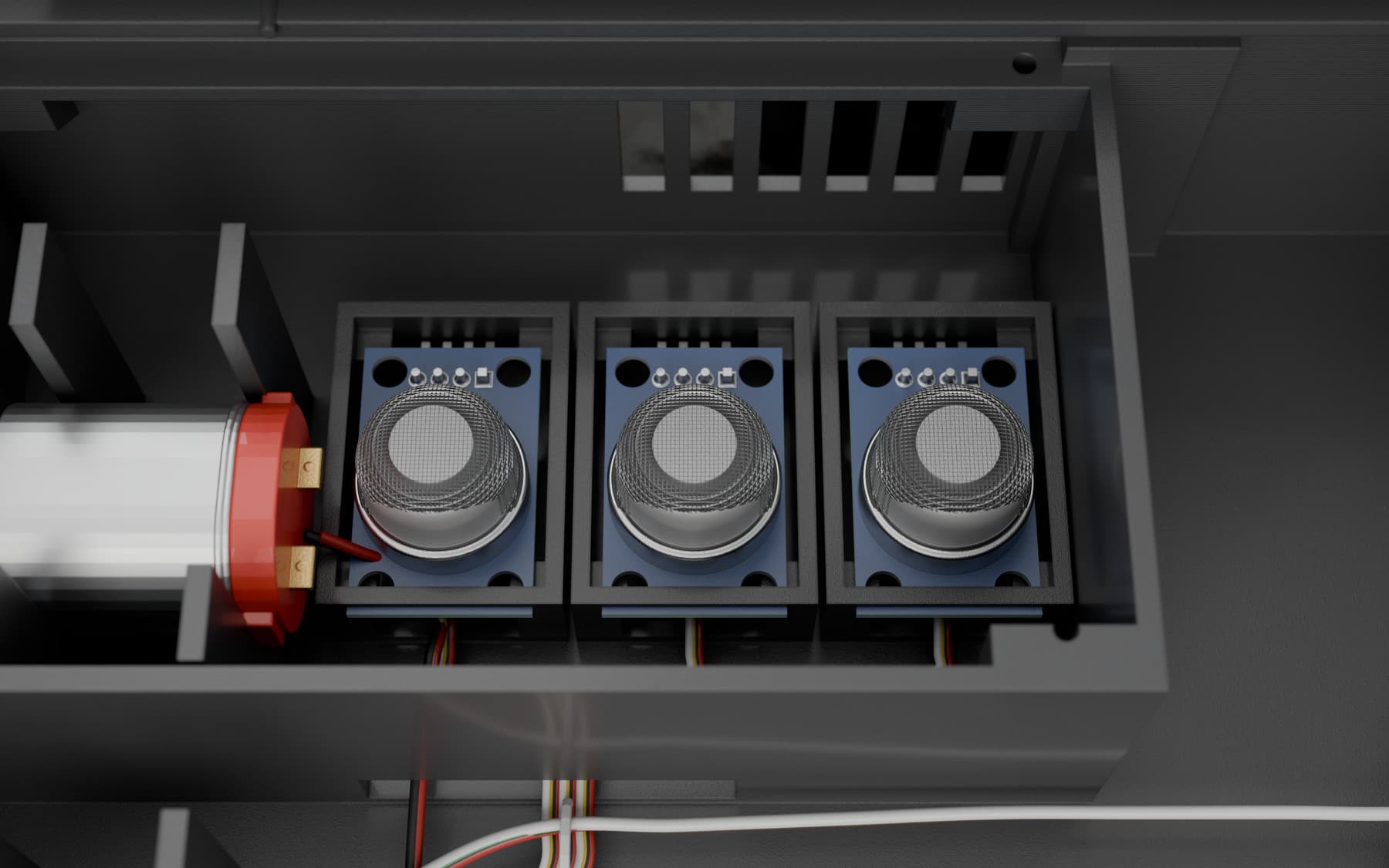
Close view of the gas-sensing gas sensing modules on an Alfa HazardX hazard detection device, their woven steel caps lit from the side.

Gas, in the four bands that cause incidents

Separate channels cover smoke and LPG, carbon monoxide, solvent and alcohol vapour, and general air quality. Between them they span the leaks and combustion by-products a process plant is realistically exposed to - and because they are read together rather than separately, a reading that moves without corroboration is treated as a question about the sensor rather than an answer about the room.

Flame detection that is not a smoke detector

An infrared flame sensor responds to the radiation signature of open combustion, not to particulates. It sees ignition before enough smoke has accumulated to trip a conventional detector — which is exactly the window in which a fire is still small.

Mechanical failure has a signature too

Vibration and sound level are the channels that catch a bearing going, a pump cavitating or a guard coming loose. They rarely trip a safety threshold on their own, but they move first, and they change how the model reads everything else.

Correlated, not counted

A sound spike alone is noise. A sound spike with rising temperature and a vapour reading is a different event entirely. Detection is scored across channels, so the alert that reaches your team already carries the reason it fired.

Bring HazardX to
your factory floor.

Get started

Enquiries reach the founder directly, not a queue